Clean Lakes Start on Land
Wednesday, October 14, 2026

How The Watershed Foundation stops pollution at the source
In the last 13 years alone, The Watershed Foundation has kept more than 133,136 pounds of phosphorus out of our lakes and rivers. That’s enough to have grown 10 billion pounds of wet weeds and algae that never got the chance.
Without that work, the outcome is algal blooms in August and overgrown weeds that inhibit recreation, destroy wildlife habitat, and degrade water quality. Those are symptoms of pollution.
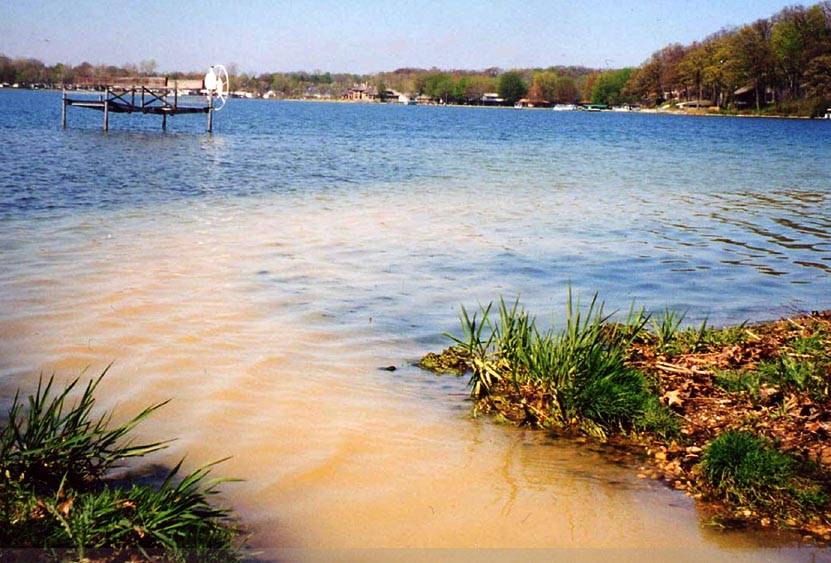
The cause starts somewhere else: on land. Rain falls, rushes across fields, lawns, and bare ground, and carries soil and nutrients into the nearest ditch, creek, or river. Eventually, it all arrives at your lake.
So that’s where TWF works: at the source.
Our approach comes down to three verbs. Slow it down. Spread it out. Soak it in. All related to rain and water.
Slow it down.
Did you know that raindrops can hit the ground at up to 20 miles per hour, hard enough to knock soil loose? TWF implements projects that reduce the erosive features of this fast-moving rainwater. Ensuring less soil is being carried away.
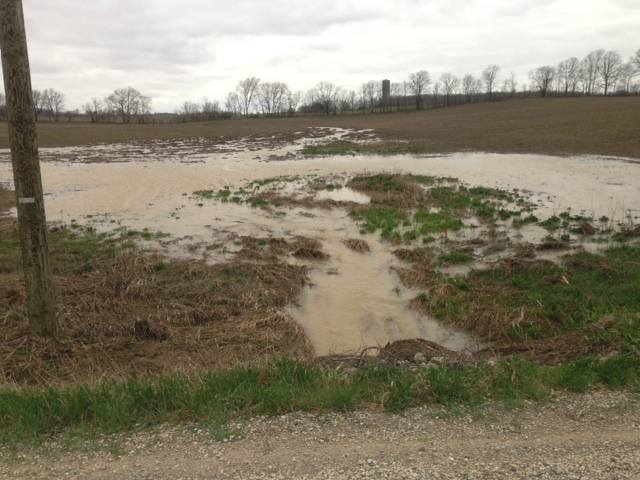
carried away by rain, delivering sediment and nutrients to the nearest waterway.
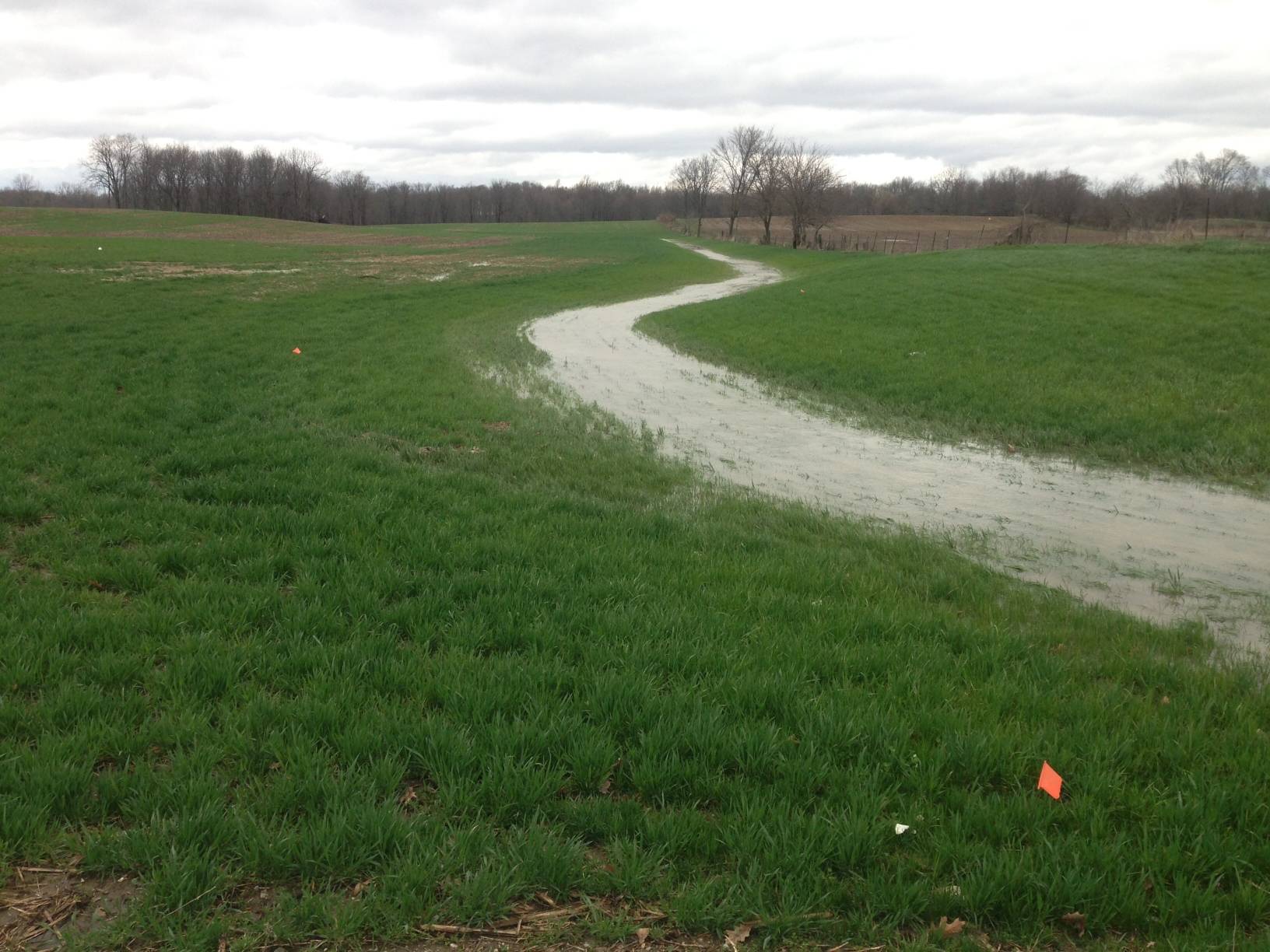
Did you know? One acre of no-till farming can keep up to 8,000 pounds of sediment out of the water annually.
Spread it out.
Water funneled into a single channel moves fast and can be destructive. Water spread across a larger landscape loses its energy. Stabilized streambanks, native plantings, and healthy shorelines work the same way, taking the punch out of moving water before it can carve away the land.
Soak it in.
Living roots and the channels left by decayed plants open the soil like a sponge. Water filters down instead of running off, recharging local aquifers and leaving pollutants behind. A single acre of cover crops can keep 2 to 5 pounds of phosphorus a year from reaching the water.
Why work on land?
Fixing a lake after the fact can be slow, expensive, and never really finished. Prevention costs far less than cleanup, and it works at the one place the problem can be stopped: before it starts.
You May Be Interested In:

Protecting Winona Lake: Peterson Ditch Project Continues
2 months ago by Hannah Godfrey

Dance at Tippy 2025: A night of Music, Memories & Clean Lakes
1 year ago by Paige Hubner

Ask Lyn: How to Fix a Concrete Seawall
1 year ago by TWF

TWF and City of Warsaw Team Up to Restore Shorelines at Pike Lake and Kiwanis Park
1 year ago by TWF