Nancy D. Tynan: Rooted in the Lake
Tuesday, November 3, 2026

Nancy Dungan Tynan spent her first summer at Lake Tippecanoe in 1944, as a baby. “Not many people can say they’ve loved the same place since they were three months old,” she says. “It’s an emotional and historical tie.”
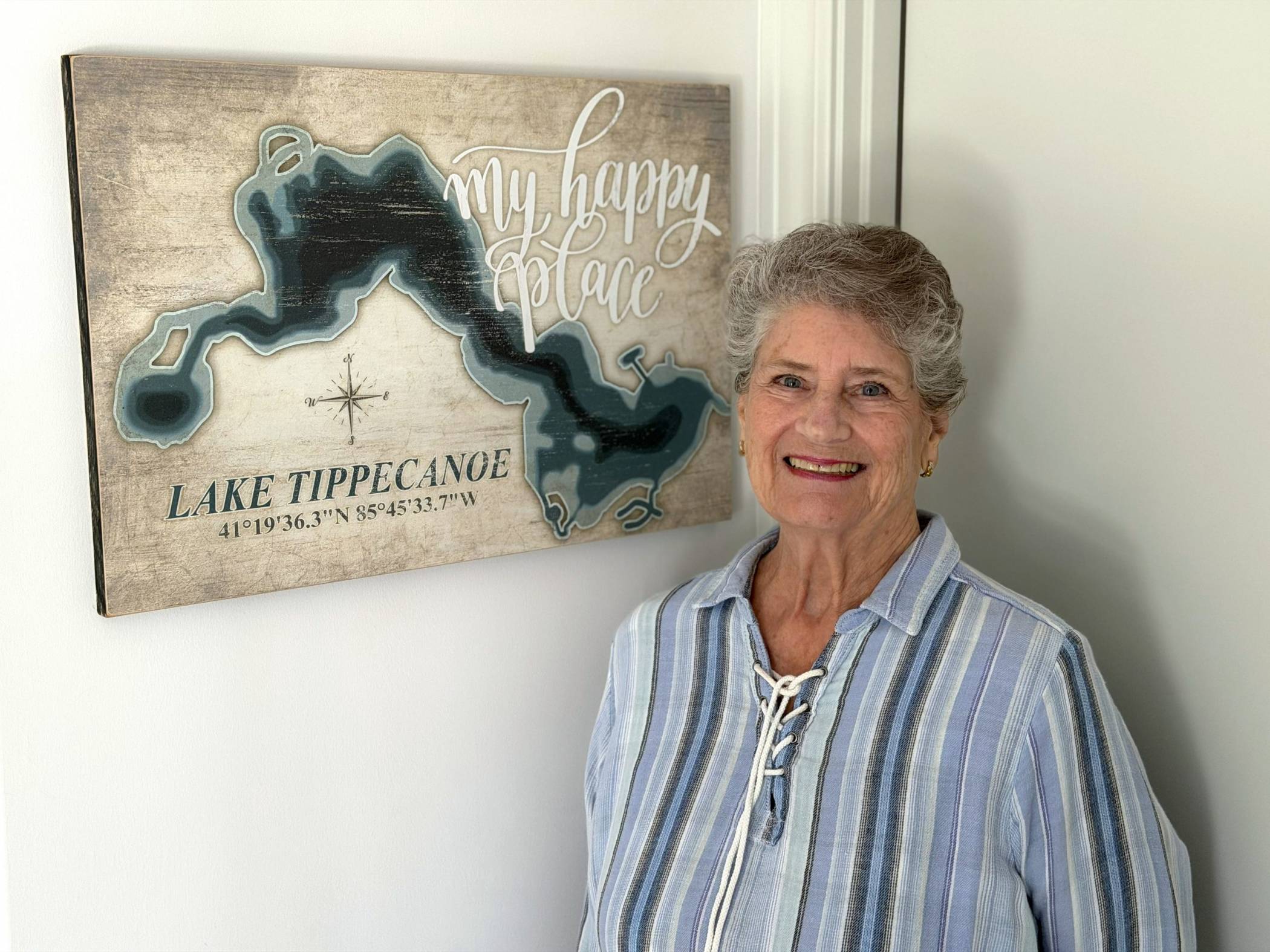
In fact, her family’s history on the lake is nearly as deep as the lake itself.
A LAKE HOME FOR THE WHOLE FAMILY
In the early 1900s, Nancy’s great-grandfather, Samuel Dungan, traveled up from Indianapolis to hunt and camp at Lake Tippecanoe with his close friends, the Buchanans. After a few years, he bought 38 wooded acres on the northwest side of the lake, and in 1916, he built a beautiful three-story fieldstone house overlooking the water–an anniversary gift for his wife, Anna. They named their summer home Musquabuck Lodge, after the most famous chief of the Potawatomi tribe that lived in the area.
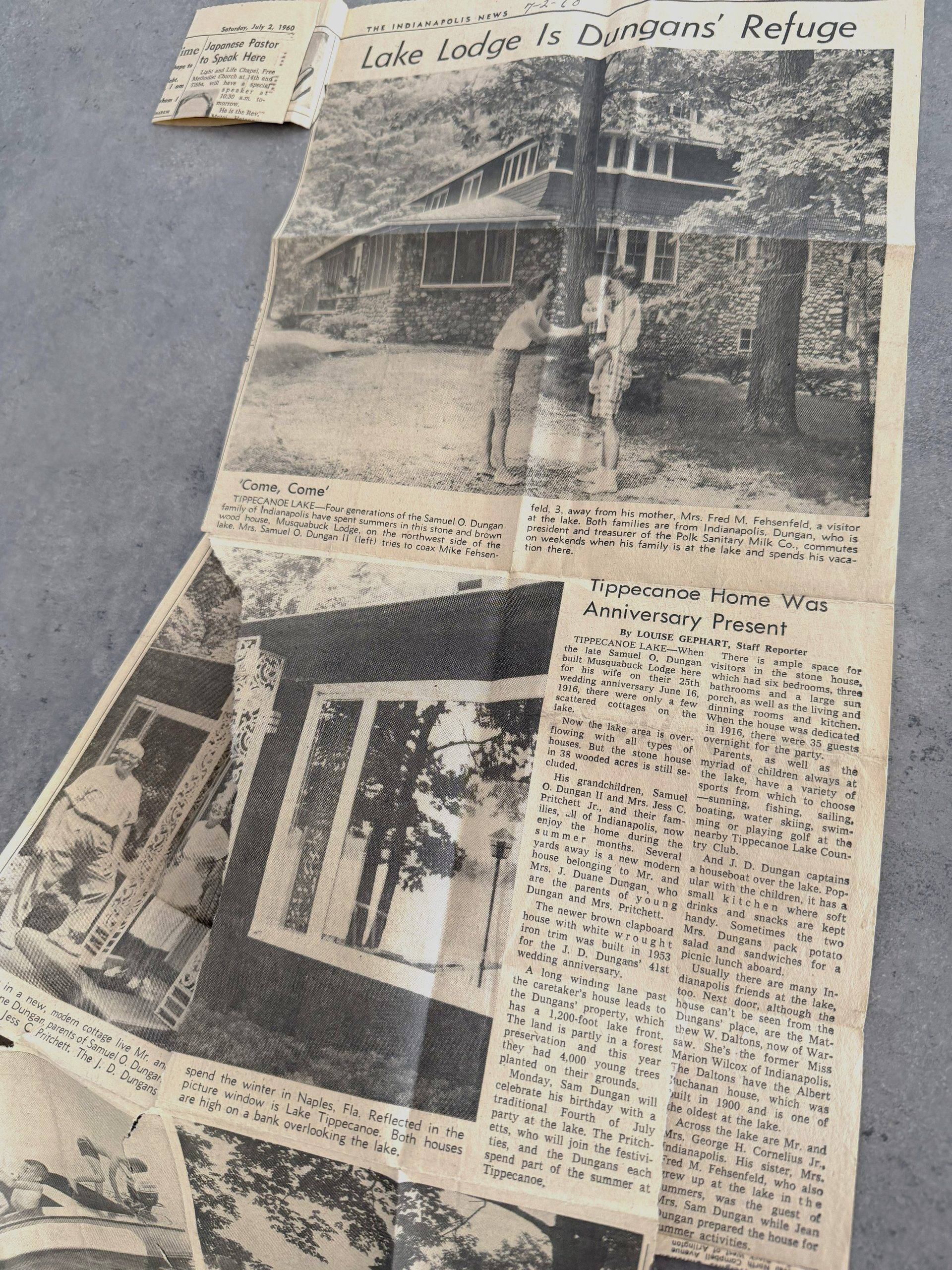
For over 70 years, the lodge held the heart of Dungan family life. They gathered at the lake to relax, celebrate, and play. Summer days were filled with swimming, boating, skiing, and fishing. The kids, including Nancy and her younger siblings, liked to explore the woods and ponds around the lodge, hunting for frogs and snakes.
The family loved sharing the lake with friends and often held floating parties on paddlewheel boats built by Duane Dungan, Nancy’s grandfather. She remembers the crank-style Victrola on the second boat, Ha-Ki-Des II, which could only play 78 RPM records. “We used to go around the lake listening to those old songs, waving at everybody. We thought we were really cool.”
A CHANGING FAMILY, A CHANGING LAKE
As the Dungan family grew and changed, so did their lives at the lake. Parcels of the original acreage were sold over time, and new houses went up. The Ha-Ki-Des II was sold. Nancy’s grandparents built a cottage on the property, and their adult children shared Musquabuck Lodge, rotating months every summer. Eventually, her family moved to the lake year-round, and her parents lived in the fieldstone lodge until 1988, when they sold it and relocated to a cottage on Kalorama Landing. Musquabuck Lodge is now 110 years old and still standing, remodeled and well-cared for.
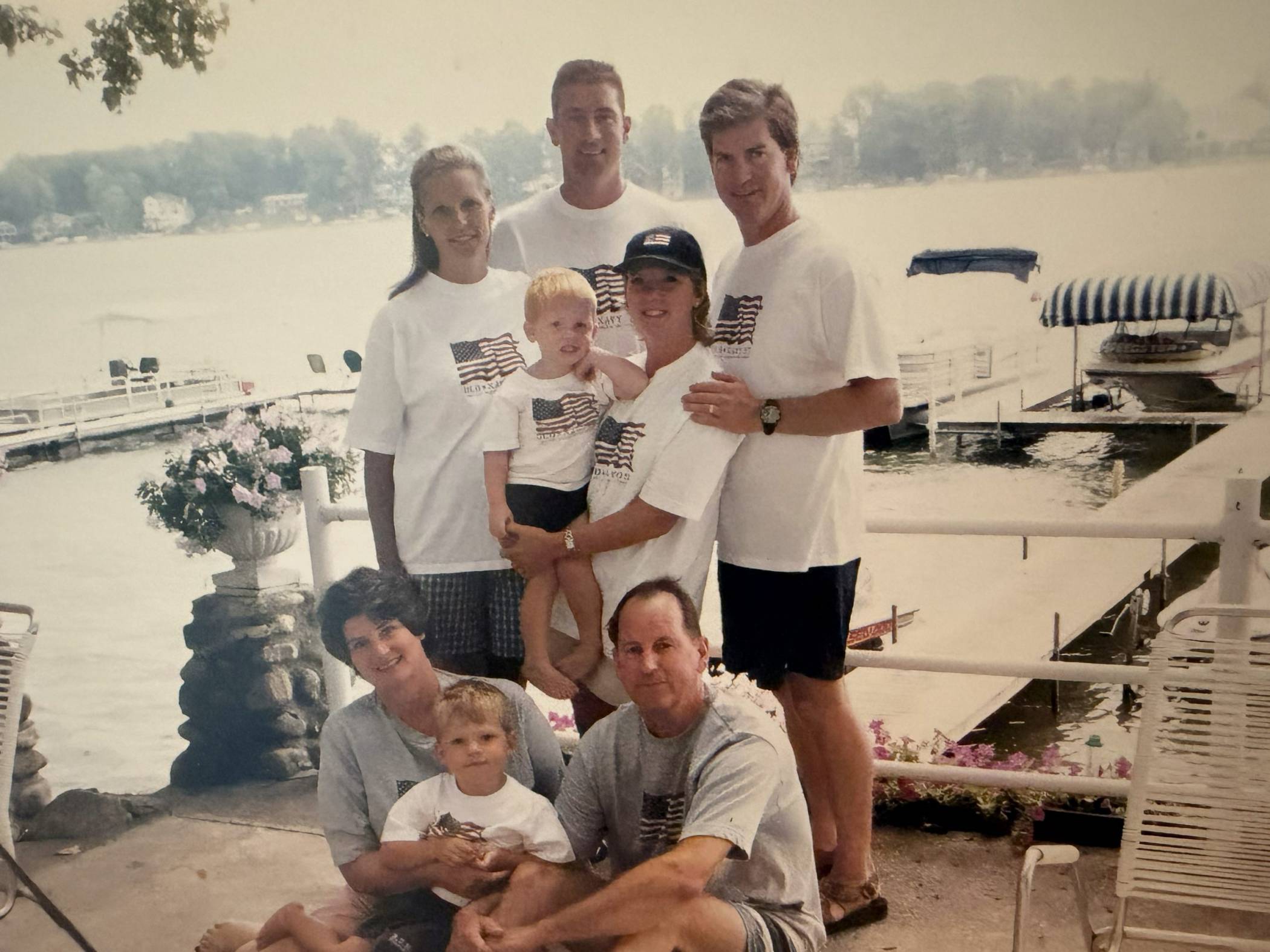
Nancy married Mike Tynan, whose family also has a long history on Lake Tippecanoe. For most of the year, they lived and worked in Indianapolis, but during the summer and on weekends, they’d head north. Their sons, Jeff and Scott, grew up with memories and traditions from both families. It’s a rich legacy they share with their own children–the sixth generation of Dungans on the lake.
After Nancy’s parents passed away, she inherited their property on Kalorama Landing and built a new home there in 2015, where she and Mike now live full-time. The house is full of artifacts and images that tell her family’s story, from the painting of Musquabuck Lodge that hangs in an alcove off the master bedroom to the countless photographs framed or gathered into albums.

Nancy spreads some of those pictures across her kitchen table. Here’s the fieldstone lodge and the wooden cottage that came after. There are her grandfather’s iconic homemade paddlewheel boats. One Polaroid shows Nancy and her sons on their pontoon, dressed as pirates. Mike had decorated the boat as a pirate ship for the Fourth of July flotilla. “It was a fiasco,” she laughs. “It rained. Our balloons were painted black, and we had black crepe paper. Everything was soaked.”
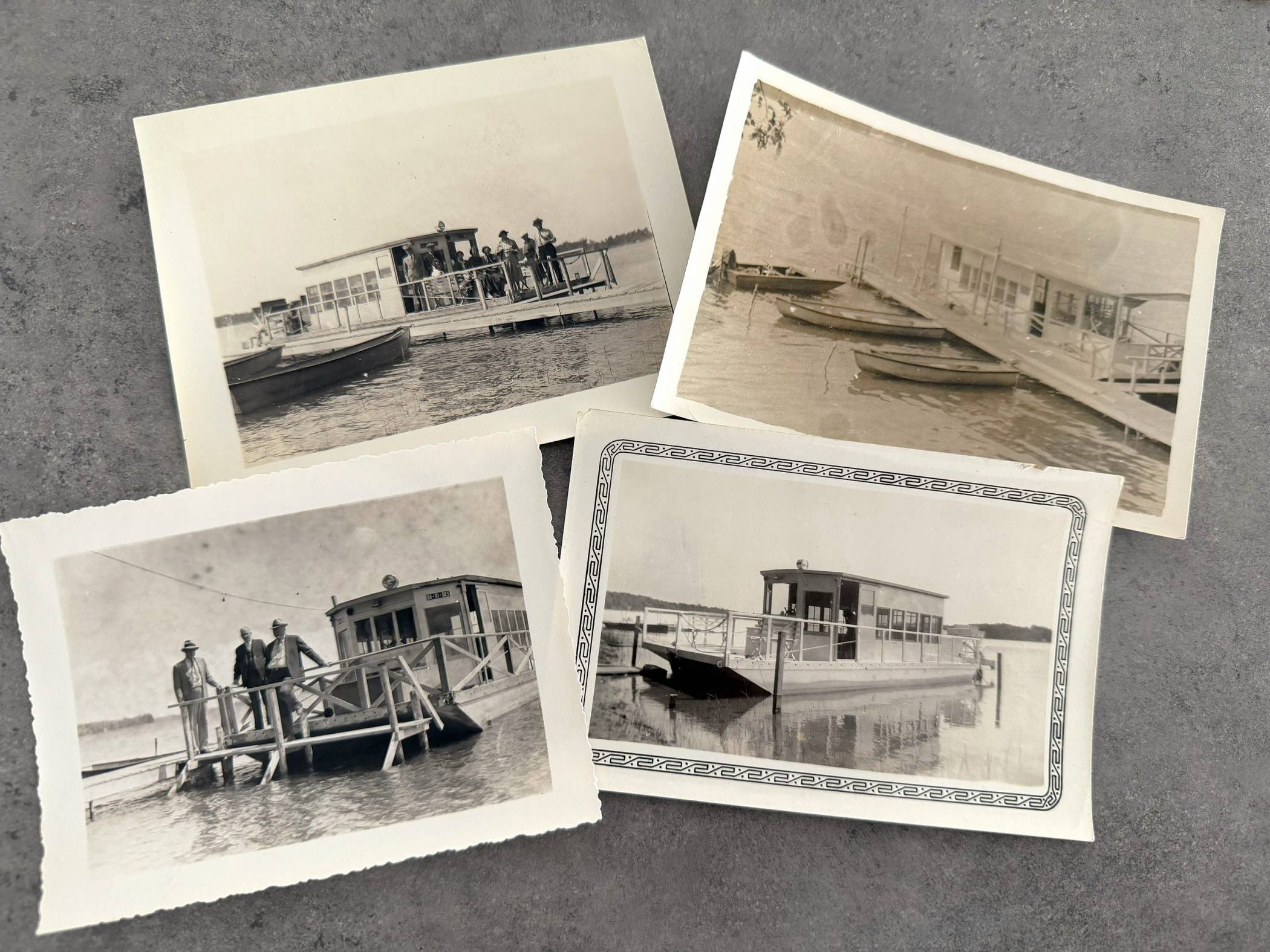
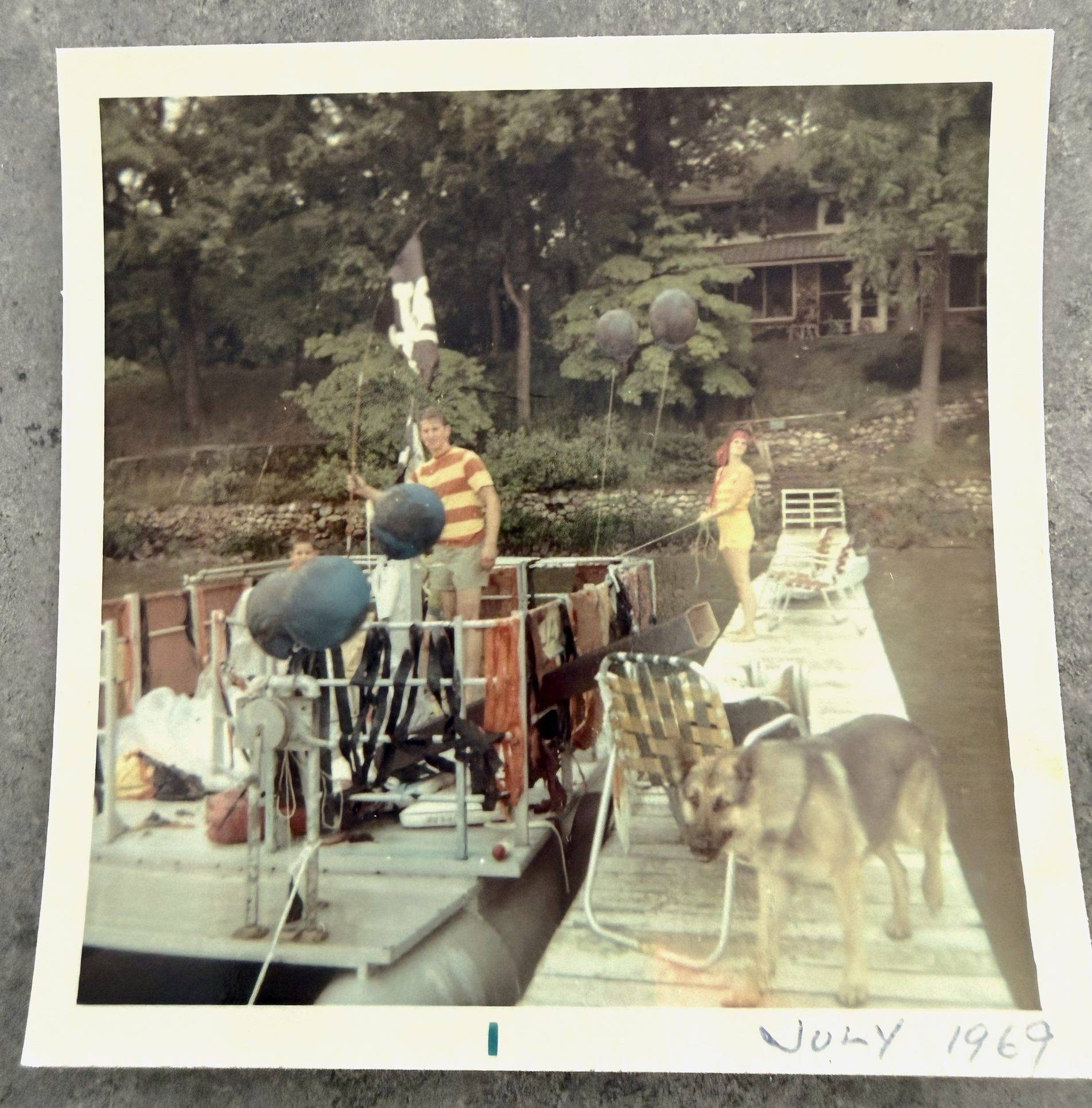
Each grainy image is a snapshot of Dungan family history–and an extraordinary window into how the lake, too, has changed. When Musquabuck Lodge was built, much of the shoreline was still undeveloped. When Nancy was a child, houses were smaller and fewer people lived at the lake year-round. Some wetlands and sandbars have been lost to development. The water’s cloudier these days, with more weeds and fewer fish. The lake can no longer support species like Cisco, which need oxygen-rich environments only found in cold, deep water.
LIVING THE LEGACY
Nancy’s quick to point out positive changes, too. For example, the Ball Wetlands and other natural areas are protected now. Some lake residents have replaced concrete seawalls with glacial rock and native plants, which helps stabilize the shoreline. Some are getting involved with organizations that work to protect the lake, like Lake Tippecanoe Property Owners, Lilly Center for Lakes and Streams, and The Watershed Foundation.
Nancy and Mike themselves are longtime supporters of all three organizations. Over the years, they’ve led the way as active volunteers around the lake, serving as Landing Directors, helping with the annual fish fry, and much more. Every Tuesday this summer, Mike takes students from the Lilly Center out on the boat to test water quality. “I always have treats for them when they come back,” says Nancy, pointing at a peach cobbler cooling on the counter.
She’s also a vocal advocate for lake health, encouraging residents and visitors alike to do their part. From small behavior changes, like not raking leaves into the water, to larger actions, like joining LTPO, Nancy believes everyone can contribute in some way. If something concerns you, she says, “Don’t just complain about it. Do something about it.”
Nancy’s lake legacy isn’t only about the past. It’s about the future. By protecting the lake she’s loved for so long, she helps ensure it’ll be here for others to enjoy. Maybe someday she’ll share Lake Tippecanoe with her own great-grandchildren–the seventh generation of Dungans.


